One in Ten Reiners Test Positive For Prohibited Substances
When more than one in ten reiners test positive for prohibited substances, the issue is no longer individual wrongdoing. It is cultural normalization.
A Sport at a Crossroads
Reining was once celebrated as a discipline that showcased the athleticism, responsiveness, and partnership of the Western horse. From its early roots in the 1960s to its rapid growth on the international stage, the sport promised a future where precision and skill could coexist with good horsemanship.
Instead, reining has become a case study in what happens when spectacle, profit, and industry pressure override animal welfare.
Scroll Down to Watch the Video Story Through The Ages to Today
A Discipline Removed for a Reason
In 2000, reining was formally recognized by the Fédération Equestre Internationale (FEI) and positioned as the first Western discipline with Olympic potential. By 2021, that recognition had been fully withdrawn, making reining the shortest‑lived FEI discipline in modern equestrian history.
This was not a cosmetic or political decision. It was a welfare decision.
FEI standards put the horse first: strict medication controls, transparent governance, and protections for young horses. Reining, by contrast, increasingly normalized practices that conflicted directly with those principles.
Young Horses, Heavy Demands
One of the earliest red flags was age. Under FEI rules, horses must be at least seven years old to compete internationally. In reining, three‑ and four‑year‑olds are routinely pushed into the sport’s most physically demanding competitions, often for enormous financial rewards.
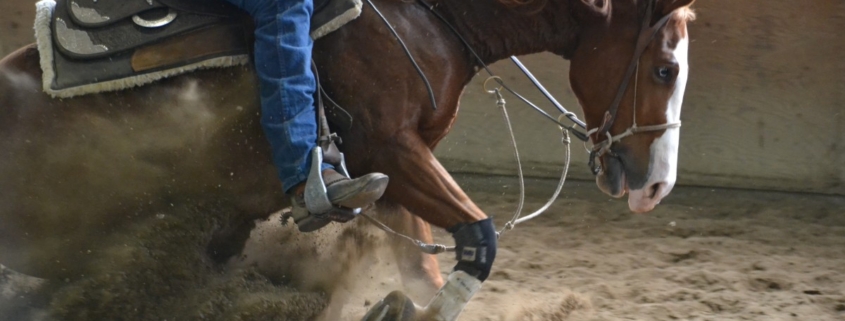
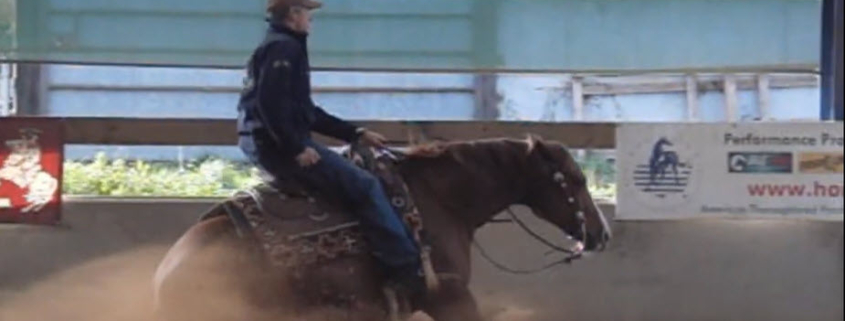
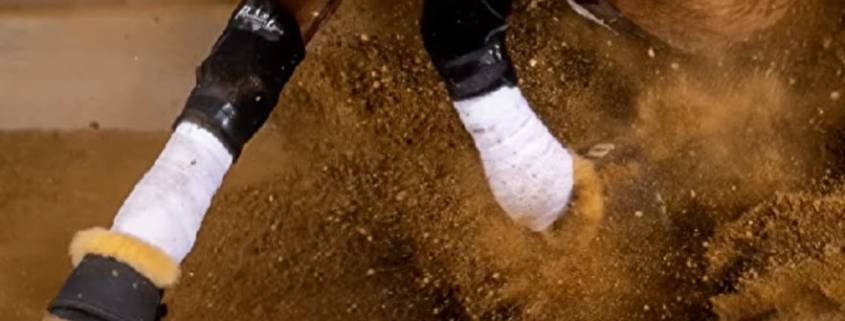
Sliding stops, rapid spins, and repeated high‑impact maneuvers place significant strain on immature joints and soft tissue. When performance expectations outpace physical development, long‑term soundness is sacrificed for short‑term success.
Medication as Management
The most serious welfare concern lies in medication policy.
While the FEI enforces zero tolerance for drugs in competition, the NRHA permits the use of sedatives such as romifidine within defined time frames before a run. Veterinary research shows that horses may remain sedated, experience reduced pain response, and have masked lameness for hours after administration.
From a welfare standpoint, this is not management. It is concealment.
A horse that requires sedatives and analgesics to compete is not demonstrating athletic excellence. It is being chemically enabled to perform through discomfort or injury, increasing the risk of catastrophic breakdowns to both horse and rider.
Self‑Governance and the Absence of Accountability
The NRHA’s self‑governance model compounds the problem. Medication committees operate anonymously. Drug testing is limited, random, and significantly underfunded compared with other equestrian disciplines.
The results are alarming. NRHA‑published figures show that more than 10 percent of tested horses returned positive results for prohibited substances—a rate dramatically higher than that seen in regulated racing or FEI‑governed sports.
Reining tests positive at a higher rate than nearly every other major equine sport worldwide.
More troubling still, NRHA leadership has openly acknowledged knowing what was best for horses, yet choosing compromise due to industry pressure. That admission reframes the issue from regulatory failure to ethical failure.
Popularity Does Not Equal Progress
Despite losing FEI recognition, reining continues to thrive domestically. Media exposure and pop‑culture glamour have attracted unprecedented money, elevated elite trainers, and driven young riders to chase prestige at any cost.
But popularity does not validate practice.
A sport can be visually impressive, financially lucrative, and culturally influential while still failing the animals it depends on. International regulators have drawn that line clearly. The FEI’s refusal to re‑engage is not a rejection of Western sport; it is a rejection of compromised welfare standards.
Training Trends That Raise Red Flags
The evolution of judging trends over the past two decades tells a welfare story of its own. Lower headsets, faster and less controlled spins, exaggerated postures, and hypersensitivity to aids may create a striking image, but they also place cumulative strain on horses’ bodies.
Veterinarians and former industry leaders warn that early, repetitive trauma contributes to joint degeneration, chronic lameness, and shortened competitive careers. Many reining horses “self‑eliminate” not due to lack of talent, but because their bodies simply cannot sustain the system.
A Different Model Already Exists
The tragedy is that reining did not have to follow this path.
Related Western disciplines, such as reined cow horse competition, demonstrate that elite performance can coexist with strict drug enforcement, functional movement, and longevity. These horses finish a run looking capable of real work—not merely surviving the class.
The blueprint for ethical Western sport already exists. What is required is the resolve to enforce standards, prioritize patience over precocity, and accept that welfare must come before profit.
One in Ten Is Not a Statistic—It Is a Warning
When more than one in ten reiners test positive for prohibited substances, the issue is no longer individual wrongdoing. It is cultural normalization.
Reining’s removal from FEI recognition was not the end of the story. It was a warning. Whether the sport chooses to listen will determine whether it evolves—or continues down a path where horses pay the price for human ambition.